
What to Expect During an Emergency Dental Visit at Bardmoor Family Dental
Dental emergencies can happen at any time, often when you least expect them. Whether it is a sudden toothache, a knocked-out tooth, or a broken crown, it is crucial to know what steps to take in an emergency. At Bardmoor Family Dental in Largo, FL, we understand that emergencies can be stressful, and we are committed to providing quick, efficient, and compassionate care when you need it most.
In this guide, we will walk you through the process of an emergency dental visit, from the moment you contact our office to the follow-up care you will need after treatment.
What to Do Before Your Emergency Visit
When a dental emergency occurs, the first step is to stay calm. Then, contact Bardmoor Family Dental immediately. Our friendly team will guide you through scheduling an appointment and help determine the urgency of your situation. It is essential to act quickly in emergencies, such as severe pain or trauma to your teeth.
Here is what you should bring with you:
- Insurance information (if applicable)
- A list of any medications you are currently taking
- Personal identification for registration purposes
How to Manage Pain During a Dental Emergency
Pain is often the most immediate concern during a dental emergency. Here are some common strategies for managing pain until you can see the dentist:
Over-the-Counter Pain Relievers
Non-prescription painkillers like ibuprofen or acetaminophen can help alleviate pain and reduce swelling. Follow the dosing instructions carefully.
Cold Compress
Applying a cold compress to the affected area can help reduce swelling and numb the pain. Just be sure to avoid placing ice directly on your skin—wrap it in a cloth or towel.
Avoid Hot or Cold Foods
During a dental emergency, your teeth and gums may be more sensitive. Try to avoid consuming very hot or cold foods and drinks until your dentist can assess the problem.
Salt Water Rinse
Rinsing your mouth with warm salt water can help cleanse the area, reduce inflammation, and temporarily ease discomfort.
Types of Emergency Dental Treatments Available
At Bardmoor Family Dental, we offer a range of
emergency dental treatments. Depending on the nature of your emergency, our skilled team, led by Dr. Jamil Abdelghani (Dr. J), will work to address the issue as quickly and painlessly as possible. Some of the most common emergency treatments include:
Tooth Extractions
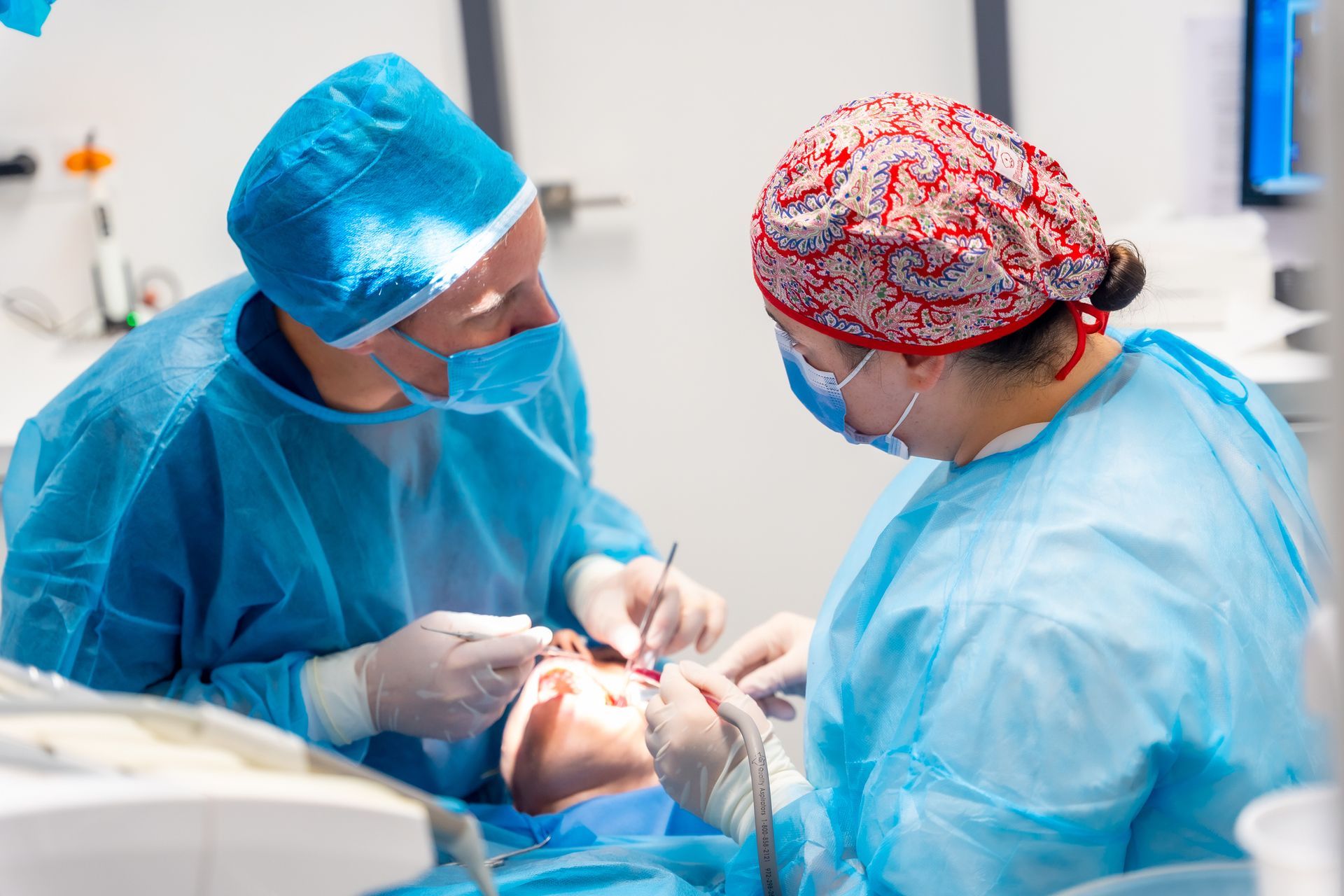
If a tooth is severely damaged or infected and cannot be saved, we may recommend an extraction. Dr. J is experienced in performing extractions with minimal discomfort and quick recovery.
Root Canal Therapy
If a tooth is infected or has damaged pulp, a root canal may be necessary to save the tooth. Root canals are typically performed with local anesthesia to ensure comfort during the procedure.
Dental Fillings
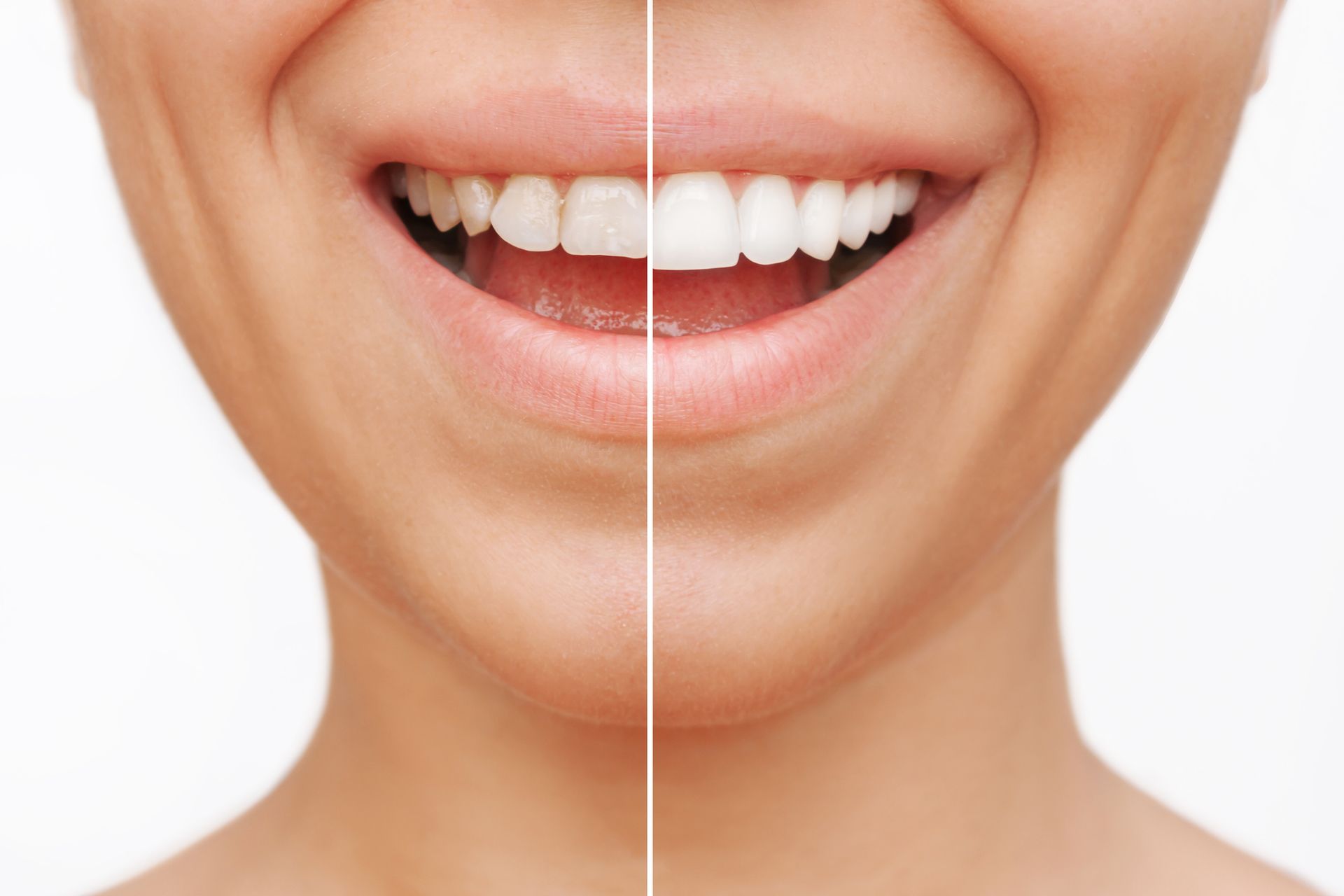
For cracked or chipped teeth, we offer tooth-colored fillings that restore the tooth’s shape and function, preventing further damage.
Crown or Bridge Placement
If a crown or bridge is damaged or falls out, it may need to be replaced immediately to protect the tooth from further harm or infection.
Knocked-Out Tooth
If a tooth is knocked out, you need to act quickly. Keep the tooth moist and bring it to the office. We can reattach it if you come in soon after the injury occurs.
What to Expect During Your Visit
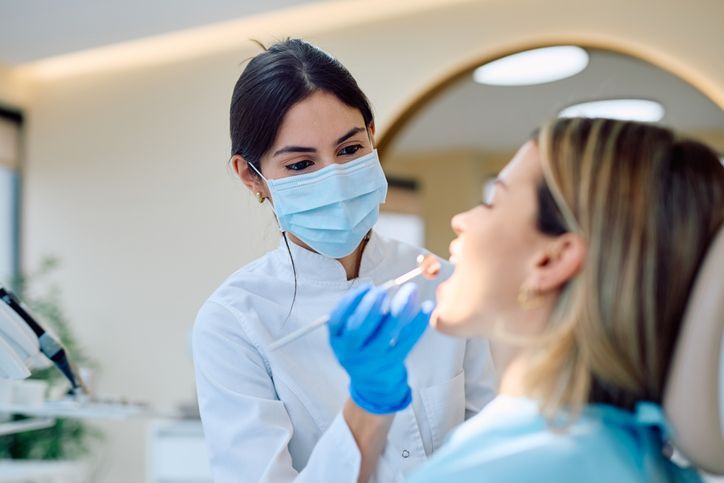
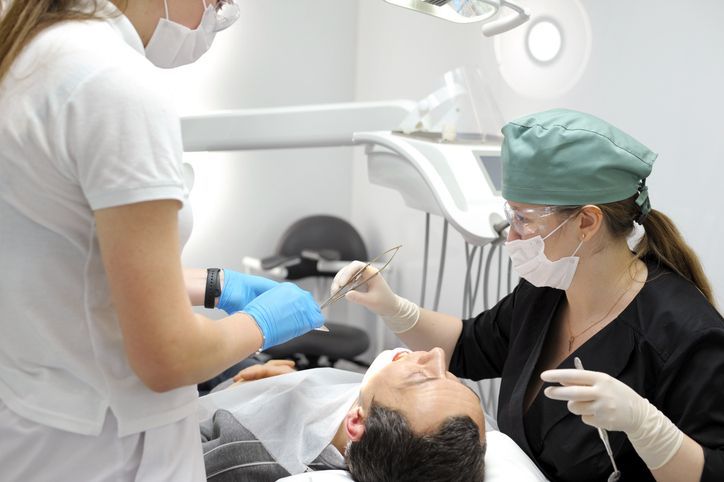
When you arrive at our office, you will be greeted by our welcoming staff. We will quickly review your details and ensure you are comfortable before moving forward with treatment. Dr. J will assess your situation, take any necessary X-rays, and explain the best course of action.
In some cases, emergency dental treatments can be performed on the same day, while in others, follow-up visits may be necessary. We always aim to provide you with the care you need as quickly as possible.
What Happens After Your Emergency Treatment?
After receiving emergency dental treatment, it is essential to understand the next steps in your recovery. Whether you have had a tooth extracted, a root canal, or other treatment, proper aftercare will ensure a speedy recovery.
Follow-Up Appointments
In many cases, follow-up visits will be necessary to ensure the treated area is healing correctly. Dr. J will schedule these visits as needed and provide you with a personalized treatment plan.
Adjusting to New Restorations
If you have had a crown, bridge, or filling placed, it may take a few days to adjust to the new restoration. If you experience any discomfort or sensitivity, do not hesitate to contact us.
Long-Term Care
After the immediate emergency is treated, it is essential to address any underlying dental issues that may have caused the emergency. This could involve additional treatments, such as preventive care or addressing issues like gum disease or cavities.
Post-Treatment Care
After your emergency treatment, we will provide clear instructions on how to care for your teeth during recovery. Depending on your treatment, here are some standard aftercare guidelines:
Tooth Extractions
- Avoid chewing on the side of the extraction for at least 24 hours.
- Apply ice packs to reduce swelling.
- Take over-the-counter pain relievers as prescribed.
Root Canal Therapy
- Avoid chewing hard foods for a few days.
- You may experience some discomfort for a few days, but it should subside.
- Keep the treated area clean, but avoid brushing it immediately after the procedure.
Crowns and Bridges
- Avoid sticky foods or chewing on the treated tooth until the permanent crown is placed.
- Be gentle with the affected tooth while it heals.
Dr. J will ensure you have everything you need for a smooth recovery. If you experience any unusual discomfort or complications, do not hesitate to contact us.
How to Prevent Dental Emergencies
While dental emergencies cannot always be avoided, there are steps you can take to reduce the risk of injury or damage to your teeth. Practicing good oral hygiene, wearing protective gear, and scheduling regular checkups with your dentist are all important in preventing potential issues. Here are a few tips:
Practice Good Oral Hygiene
Brushing twice a day and flossing daily can help prevent cavities and gum disease, which, if left untreated, could lead to more severe issues like infections or abscesses.
Wear a Mouthguard
If you participate in contact sports or activities that pose a risk of dental injury, a custom mouthguard can help protect your teeth.
Avoid Hard Foods
Chewing on hard candies, ice, or other tough substances can crack or chip your teeth. Be cautious when eating these types of foods to reduce the risk of a dental emergency.
Visit Your Dentist Regularly
Routine dental exams are essential for catching early signs of dental issues before they become emergencies. Dr. J at Bardmoor Family Dental can monitor your oral health and advise you on any necessary preventive care.
Our Commitment to Emergency Care at Bardmoor Family Dental
At Bardmoor Family Dental, we are committed to providing the highest level of care for all our patients, especially in emergencies. Our team is dedicated to providing timely, professional, and compassionate service, ensuring you get the relief and treatment you need. We know that dental emergencies can be stressful, and we are here to make the experience as smooth as possible.
We offer flexible appointment options and are always ready to help you navigate the unexpected. Whether it is a severe toothache, injury, or another urgent dental issue, you can count on our team to take care of you.
Frequently Asked Questions About Emergency Dental Visits
How do I know if I have a dental emergency?
If you are experiencing severe pain, bleeding, or trauma to your teeth or gums, it is considered an emergency. Contact our office immediately for guidance.
Will my insurance cover emergency dental visits?
Most dental insurance plans cover emergency visits, but coverage may vary. We will verify your insurance and provide an estimate before any treatment begins.
How quickly should I see a dentist after a dental emergency?
The sooner you seek treatment, the better the outcome. For the best chance at saving a tooth or avoiding further complications, it is essential to visit a dentist immediately.
What should I do if a tooth is knocked out?
If a tooth is knocked out, try to place it back in the socket gently, or keep it moist in milk or water. Bring the tooth with you to the dentist as soon as possible, ideally within 30 minutes to an hour.
Can emergency dental visits be expensive?
While emergency dental visits can be more costly than routine visits, we offer affordable payment options and will work with your insurance to minimize your out-of-pocket costs.
Why Choose Bardmoor Family Dental for Your Emergency Care?
during your dental emergency. Dr. J and his team understand the stress that comes with dental emergencies and are committed to making your experience as comfortable and efficient as possible.
Whether you are dealing with a painful toothache or a more serious dental injury, we are here for you. Contact us today at (727) 398-6553 to schedule your emergency dental visit or to learn more about our services.