
Managing Dental Pain: When to Seek Emergency Care
Dental pain rarely happens at a convenient time. For working adults balancing careers, family responsibilities, and busy schedules, a sudden toothache or oral injury can quickly disrupt your entire day. While some minor sensitivity may resolve on its own, other types of dental pain signal a serious issue that requires immediate attention from an emergency dentist.
At Bardmoor Family Dental in Largo, FL, Dr. Jamil Abdelghani (“Dr. J”) and his experienced team understand how urgent dental discomfort can be. With more than two decades of clinical experience and a commitment to compassionate, patient-focused care, the practice provides reliable emergency dentistry services designed to relieve pain quickly and protect your long-term oral health.
If you are unsure whether your symptoms require emergency dental care, this guide will help you understand different types of dental pain, what they may indicate, and when to seek professional treatment.
Understanding Different Types of Dental Pain
Dental pain can vary in intensity, duration, and cause. Identifying the type of pain you are experiencing is the first step in determining whether it qualifies as a dental emergency.
Sharp, Sudden Pain
A sudden, sharp pain while chewing or biting often points to:
- A cracked or fractured tooth
- A loose filling or crown
- Advanced tooth decay
- Enamel erosion exposing the inner tooth
If the pain occurs consistently when you bite down, it is important to schedule an evaluation promptly. Left untreated, cracks and decay can worsen and lead to infection.
Persistent Throbbing Toothache
A throbbing, constant ache that does not subside may indicate:
- A tooth infection
- An abscess
- Severe inflammation of the pulp
This type of dental pain typically does not resolve on its own. If accompanied by swelling, fever, or a bad taste in your mouth, it may signal a serious infection that requires immediate emergency dentistry.
Sensitivity to Hot or Cold
Mild sensitivity may not require urgent care. However, intense or lingering sensitivity to temperature changes can indicate:
- Deep cavities
- Receding gums
- Nerve damage
If the sensitivity persists for more than a few days or becomes increasingly painful, an emergency dental visit may be necessary.
Swelling and Gum Pain
Swollen, tender gums or facial swelling are strong indicators of infection. Swelling that spreads to the cheek or jaw should be treated as urgent. Infections in the mouth can spread beyond the tooth if not addressed promptly.
Pain After Dental Treatment
Some discomfort after a filling, crown, or other procedure is normal. However, increasing pain, swelling, or persistent throbbing after treatment may require evaluation to rule out complications.
What Qualifies as Emergency Dental Care?
Not every toothache requires same-day care, but certain symptoms should never be ignored.
You should seek emergency dental care in Largo, FL if you experience:
- Severe, unrelenting tooth pain
- A knocked-out permanent tooth
- A cracked or broken tooth with an exposed nerve
- Significant facial or gum swelling
- Uncontrolled bleeding
- Signs of infection, such as fever or pus
- Trauma to the jaw or mouth
- A lost crown or filling causing significant pain
These conditions can escalate quickly. Prompt treatment may prevent tooth loss and more extensive procedures later.
Steps to Take During a Dental Emergency
If you believe you are experiencing a dental emergency, taking the right steps can improve your outcome.
1. Stay Calm
Panic can make pain feel worse. Take slow breaths and assess the situation. Identify where the pain is located and whether there was a specific injury.
2. Call an Emergency Dentist Immediately
Contact Bardmoor Family Dental as soon as possible. The team will help determine the urgency of your condition and provide guidance until you can be seen.
Working adults often worry about missing time from work, but delaying treatment can lead to more extensive procedures and longer recovery times.
3. Manage Pain Safely at Home
While waiting for your appointment, you can:
- Take over-the-counter pain relievers as directed
- Apply a cold compress to the outside of your cheek
- Rinse gently with warm salt water
- Avoid chewing on the affected side
- Avoid very hot or very cold foods
These are temporary solutions and should not replace professional care.
What to Expect During an Emergency Dental Visit
Understanding the process can ease anxiety about emergency dentistry.
Initial Evaluation
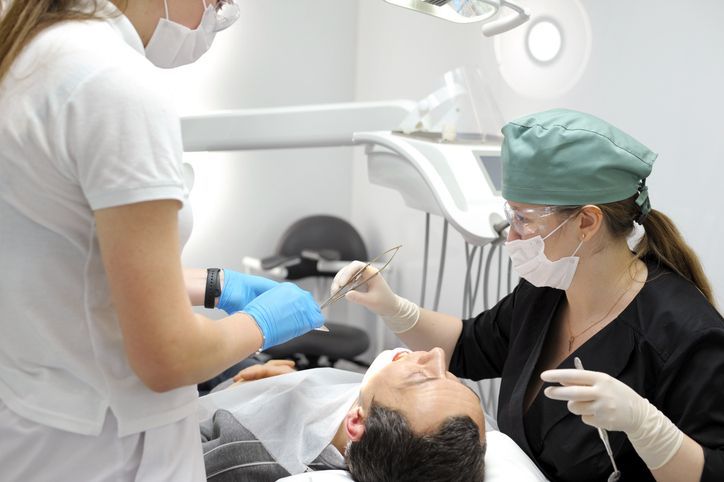
Upon arrival, the team will gather information about your symptoms and medical history. If you are in significant pain, they prioritize prompt assessment.
Examination and Imaging
Dr. J will examine the affected area and may take digital X-rays to determine the underlying cause of the dental pain. Identifying the exact source ensures accurate treatment.
Diagnosis and Treatment Plan
Once the issue is identified, you will receive a clear explanation of:
- The cause of your pain
- Available treatment options
- Recommended next steps
- Estimated recovery time
Transparency and patient education are key components of the practice’s approach.
Immediate Treatment
Depending on the diagnosis, emergency dental treatment may include:
- Root canal therapy to eliminate infection
- Tooth extraction for severely damaged teeth
- Temporary or permanent fillings
- Crown repair or replacement
- Drainage of an abscess
- Reimplantation of a knocked-out tooth
The goal is to relieve pain quickly while preserving as much natural tooth structure as possible.
Aftercare Instructions
Before leaving, you will receive clear instructions on caring for the treated area, managing discomfort, and scheduling any necessary follow-up appointments.
The Risks of Ignoring Dental Pain
It can be tempting to “wait it out” when dental pain first appears, especially if you have a demanding work schedule or family responsibilities. However, ignoring dental pain often leads to more serious complications that require more extensive treatment.
Infection Can Spread Quickly
One of the most serious risks of untreated dental pain is infection. A tooth abscess is a bacterial infection that forms at the root of a tooth or in the surrounding gums. Without prompt treatment, the infection can:
- Spread to the jawbone
- Affect surrounding teeth
- Travel to the sinuses
- Enter the bloodstream in severe cases
What may start as a mild toothache can escalate into significant facial swelling, fever, and systemic illness.
Increased Treatment Costs Over Time
Delaying care often results in more complex procedures. For example:
A small cavity may only require a filling.
If left untreated, it could progress to needing a root canal.
Continued delay could ultimately require extraction and tooth replacement.
Seeking emergency dental care early often reduces both recovery time and long-term costs.
Risk of Permanent Tooth Loss
Cracked teeth, severe decay, and untreated infections can permanently damage a tooth's internal structure. The longer treatment is postponed, the lower the chances of saving the natural tooth.
Preserving your natural teeth is always the goal in emergency dentistry.
Impact on Work and Daily Life
For working adults, dental pain can interfere with:
- Concentration and productivity
- Sleep quality
- Speaking clearly in meetings
- Eating comfortably
What seems like a manageable annoyance can quickly affect your performance and overall well-being. Prompt emergency dental care allows you to return to your normal routine faster.
Ignoring dental pain rarely makes it disappear. In most cases, it signals a problem that requires professional evaluation.
Homeopathic and Supportive Pain Relief Options
Some patients ask about natural or homeopathic approaches for temporary dental pain relief. While these should never replace professional evaluation for serious symptoms, they may provide short-term comfort.
Options include:
- Clove oil applied carefully to the painful area
- Cold compresses to reduce inflammation
- Warm salt-water rinses
- Peppermint tea bags applied to sore gums
These remedies may reduce discomfort temporarily, but they do not treat infection, fractures, or deep decay.
Preventing Dental Emergencies
While accidents can happen, many dental emergencies are preventable.
To reduce your risk:
- Maintain regular dental cleanings and exams
- Brush twice daily and floss consistently
- Wear a custom mouthguard during sports
- Avoid chewing ice or hard candies
- Address minor dental issues before they worsen
Preventive care is often the best defense against unexpected dental pain.
Dental Emergencies vs. Hospital Emergency Rooms
A common question patients ask is, “Should I go to the emergency room for my tooth pain?”
Understanding the difference between a dental emergency and a medical emergency can save you time, money, and unnecessary stress.
When to Call an Emergency Dentist First
Most dental emergencies are best treated by a dentist, not a hospital emergency room. This includes:
- Severe toothaches
- Broken or cracked teeth
- Lost crowns or fillings
- Dental abscesses
- Knocked-out teeth
- Gum infections
Emergency rooms are not typically equipped to perform dental procedures such as root canals, extractions, or crown repairs. In many cases, the ER may provide temporary relief through pain medication or antibiotics, but will refer you to a dentist for definitive treatment.
By contacting a local emergency dentist in Largo, FL first, you are more likely to receive treatment that resolves the underlying issue, not just the symptoms.
When the ER May Be Appropriate
There are situations where a hospital emergency room is the right choice, including:
- Severe facial trauma affecting breathing
- Jaw fractures
- Uncontrolled bleeding that does not stop
- Swelling that compromises the airway
In these rare but serious circumstances, immediate medical care is essential.
Why Seeing a Dentist First Saves Time and Money
Visiting the emergency room for a dental issue often results in:
- Higher medical bills
- Longer wait times
- Temporary relief only
- A second appointment with a dentist afterward
Contacting an emergency dental provider directly typically leads to faster, more cost-effective treatment.
If you are unsure whether your situation qualifies as a dental emergency, calling your dentist for guidance is always a wise first step.
Frequently Asked Questions About Emergency Dentistry
How do I know if my toothache is serious?
If the pain is severe, persistent, or accompanied by swelling or fever, it likely requires professional evaluation.
Can an abscess go away on its own?
No. An abscess is a bacterial infection that requires dental treatment. Delaying care can lead to serious complications.
Is a broken tooth always an emergency?
If the break exposes the inner tooth or causes significant pain, it should be treated urgently.
What should I do if my tooth gets knocked out?
Handle the tooth by the crown, not the root. Keep it moist in milk if possible, and seek immediate dental care.
Will emergency dentistry be painful?
Modern techniques and anesthetics make emergency dental treatment far more comfortable than most patients expect. The primary goal is pain relief.
Trusted Emergency Dentistry in Largo, FL
When dental pain interferes with your workday or personal life, you need a dependable local emergency dentist you can trust. Bardmoor Family Dental serves the Largo community with comprehensive emergency dental care delivered in a welcoming, patient-centered environment.
Dr. Jamil Abdelghani and his experienced team are committed to restoring comfort, function, and confidence as quickly as possible. Whether you are dealing with severe tooth pain, a broken tooth, or signs of infection, prompt treatment can protect both your oral health and your overall well-being.
If you are experiencing dental pain and are unsure whether it qualifies as an emergency, it is always better to call and ask. Early intervention can make all the difference.